

Market Snapshot: July2026
Summary
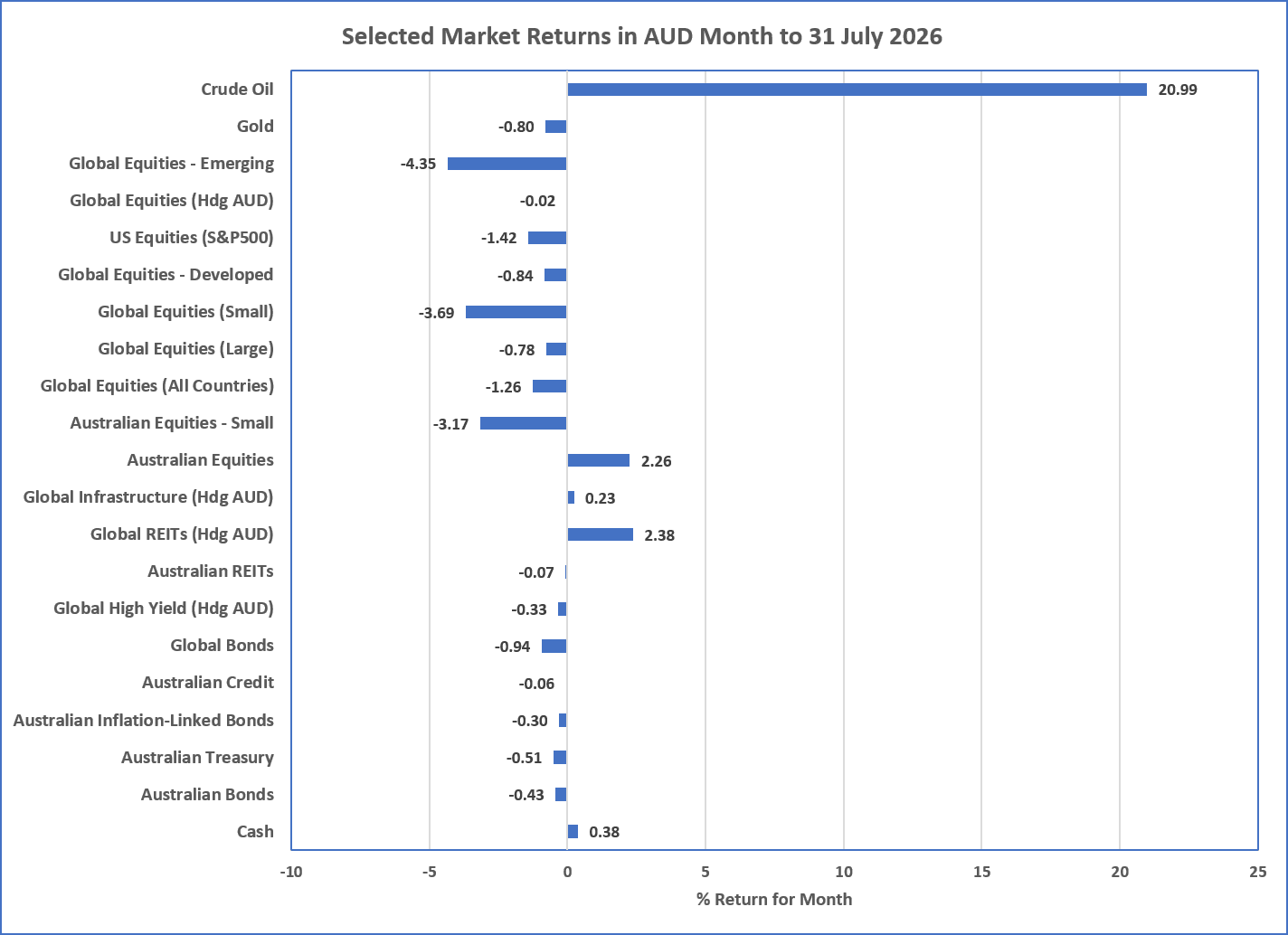
- Unsurprisingly the oil price has spiked following the re-commencement of the Iran War (did it really stop?). This has resulted in higher inflation expectations, higher bond yields (lower prices) and expectations that cash rates will be higher for longer.
- Adding to potential USA inflation is the re-ignition of Trump’s tariffs. Whilst the Supreme Court declared some of last year’s tariffs illegal, the Trump administration’s determination resulted in finding another law (which required/resulted in accusing countries of supporting slave labour) to ensure the new, and higher (12.5%), tariffs are legal.
- Whilst Australia’s Reserve Bank took a meeting break, other major central banks kept rates unchanged.
- USA and Asian sharemarkets ended lower, and in Asia it was largely thanks to massive volatility in Korea (think Samsung and semiconductors). Whilst the Korean market ended down 22% for July, this included a last day increase of 18%! Artificial intelligence will be a big contributor to the global economy, and it will be responsible for any global sharemarket volatility, whether success or otherwise in the coming months.
- Our core investment message remains due to persistent downside risks from high sharemarket valuation in USA and the ongoing energy crisis. This means disciplined risk management rather than aggressive positioning changes. Shares continue to offer an attractive risk premium in specific markets, as do conservative bonds, but returns may be challenged from occasional short-term volatility. Avoiding panic (selling) decisions continues to be a crucial investment issue today for long-term investors.
Chart 1 Oil prices significantly higher and only Global REITs and Australian shares positive
Source: Morningstar
What happened last month?
Markets & Economy … Energy up and stocks mostly down…except Australia!
- The month of July produced some different results around markets as the tech-heavy USA and Asian sharemarkets declined whilst Australia and
Europe performed relatively well.
- The AI Trade reversed a little in July which included a significant sell-off of semiconductors (like Samsung Electronics). Most volatility occurred in the Korean Sharemarket as it fell around 22% over July despite finishing with an 18% rise on the last day.
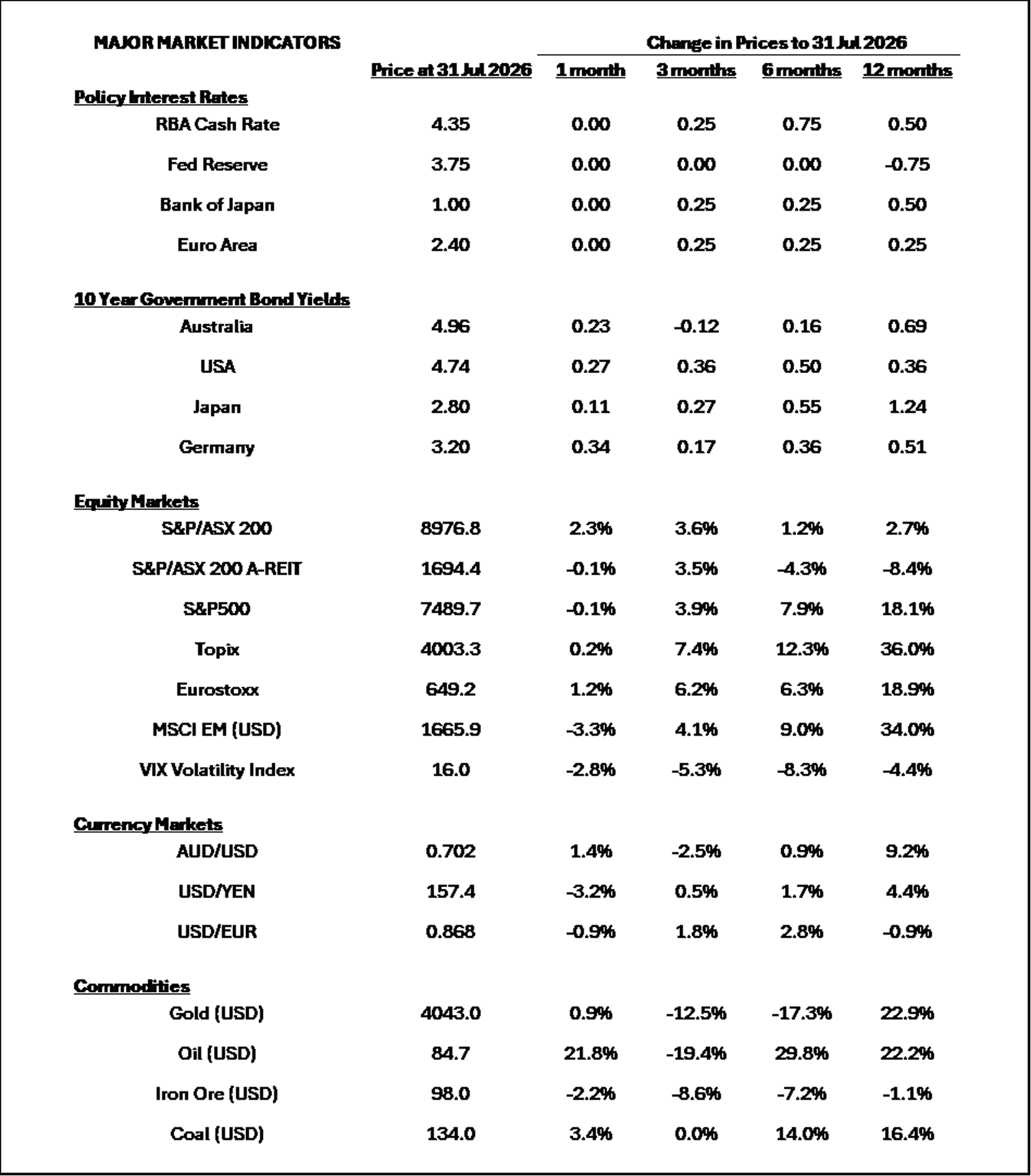
- Major central banks broadly left their cash rates unchanged although the internal voting was rarely unanimous as some board members voted for rate increases given the inflation pressures.
- These inflation pressures are largely driven by USA administration action as they re-ignited the war with Iran which increased oil prices
and bond yields (& prices down). USA 10-year bond yields increased by 27bps over July, partly explaining the near 1% decline in Global
Bonds.
- Adding fuel to the inflation embers was the return of tariffs. Following the US Supreme Court ruling that many of the 2025 tariffs were illegal, the USA Administration found another law to exploit and have reimposed tariffs at higher rates...Australia's tariff increased from 10% to 12.5%.
- In Australia, there were mixed economic results including sticky inflation at 3.8% (above the RBA’s 2-3% target), strong employment (76,000 new jobs vs expected 15,000), weak economic growth outlook from most agencies, but a stable Australian dollar at around $0.70USD.
Outlook …
- As mentioned, whilst inflation expectations are still high, expectations of one more interest rate rise by the Reserve Bank of Australia in 2026 looks less likely than last month, although an increase still looks a lot more likely than a decrease.
- Bond yields around the world are suggesting expected returns for investment grade fixed interest to be around 5+%pa over the next 5-10 years which may be appealing in the face of expensive sharemarkets.
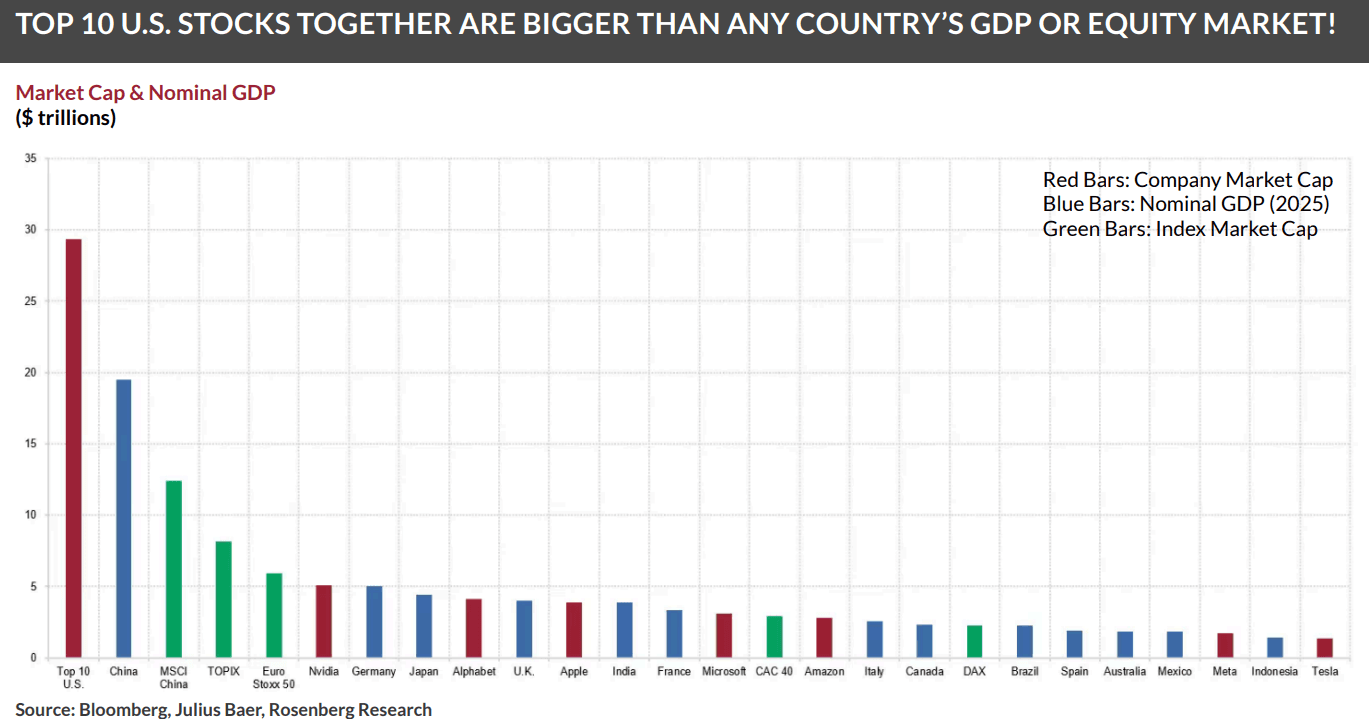
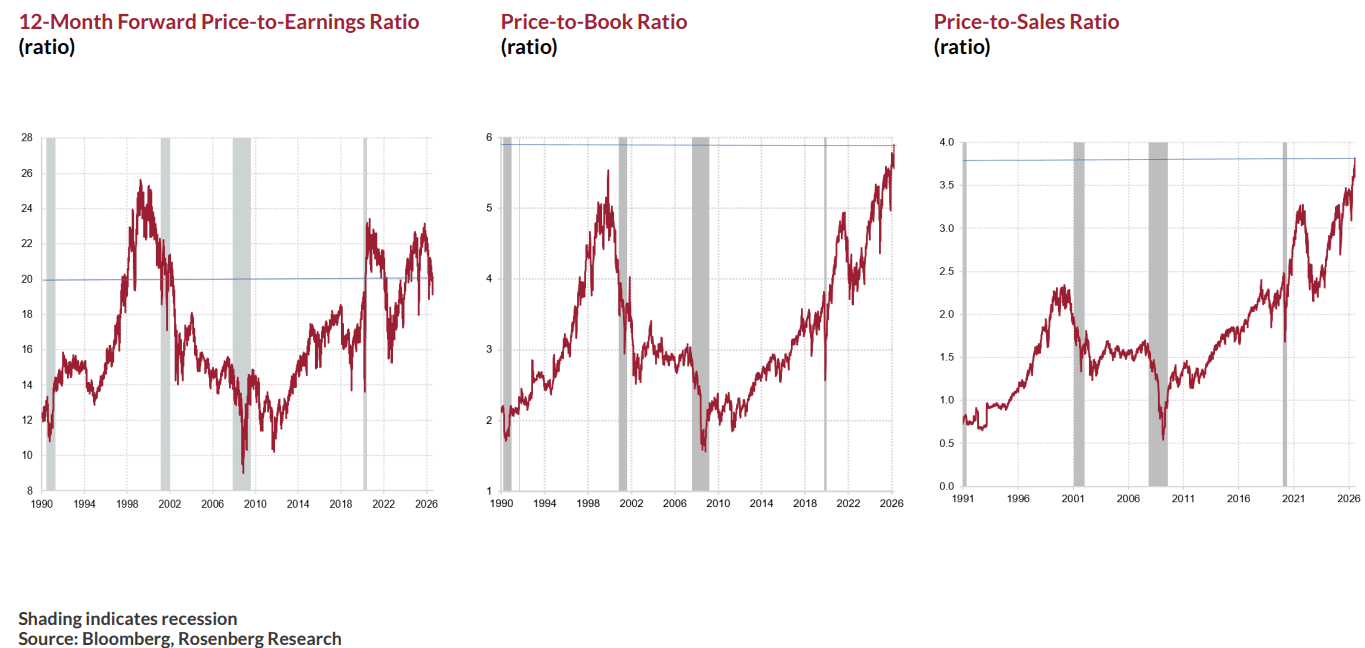
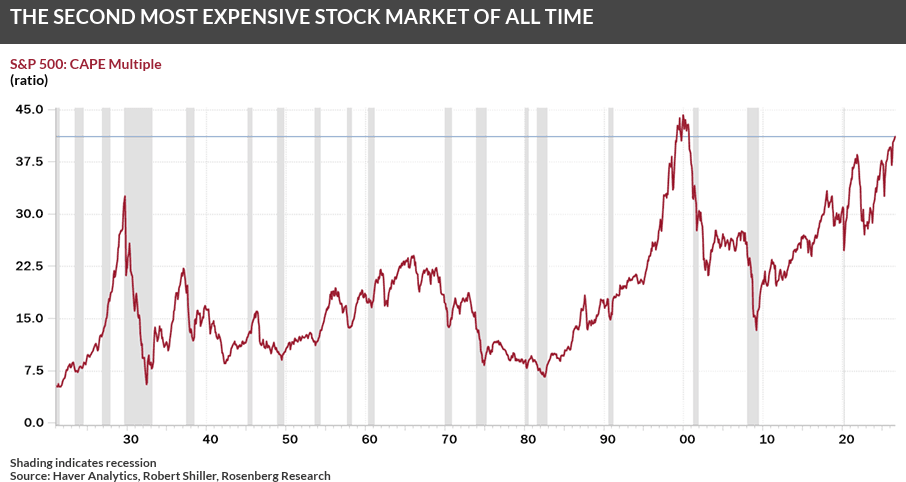
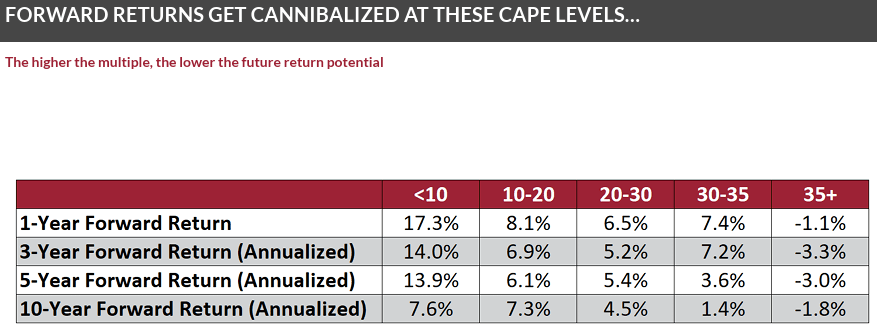
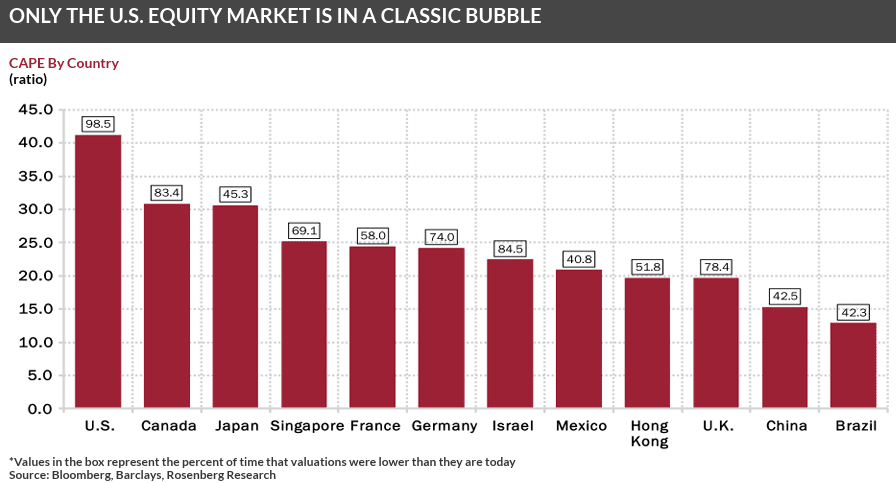
- US markets continue to be near record high valuations and are generally forecast to be weaker than non-USA sharemarkets over the next 10 years. This doesn’t mean any imminent crash is likely, but caution should always be appropriate with expensive markets. See Charts below.
- Our core message remains as we continue to believe portfolios should be underweight USA shares and high yield (junk) bonds due to these near record high valuations. By comparison, defensive Cash and bond portfolios both global and in Australia, are providing strong relative expected returns at over 5%pa.
- Our current beliefs are that new investors should dollar cost average into sharemarkets and long-term investors should stay invested for the long-term but expect and get used to higher volatility.
- Diversification continues to be essential. Maintaining a balance between domestic and global exposures remains a prudent approach as 2026 unfolds. Rebalancing as pricing opportunities arise also continues to be appropriate for established portfolios.
Major Market Indicators
Sources: Morningstar, Trading Economics, Reserve Bank of Australia
31 July Market Valuations since 1969 - Price to Cash Earnings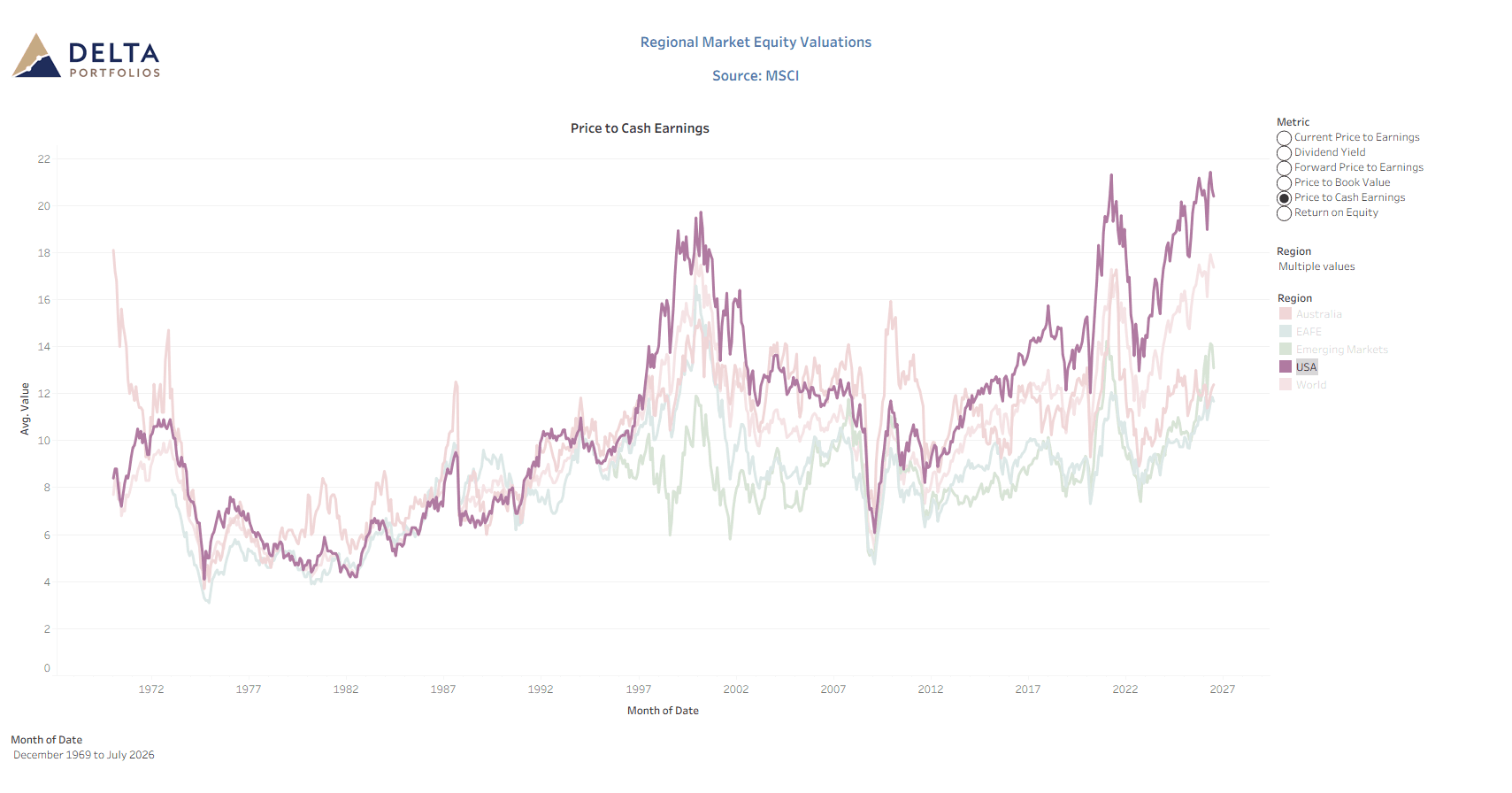
McConachie Stedman Financial Planning Pty Ltd is a Corporate Authorised Representative of MCS Financial Planning Pty Ltd | ABN 11 677 710
600 | AFSL 560040
General Advice Warning
The information provided in this article is for general information purposes only and is not intended to and does not constitute formal
taxation, financial or accounting advice. McConachie Stedman does not give any guarantee, warranty or make any representation that the
information is fit for a particular purpose. As such, you should not make any investment or other financial decision in reliance upon the
information set out in this correspondence and should seek professional advice on the financial, legal and taxation implications before
making any such decisions.